Moinhos do Dão
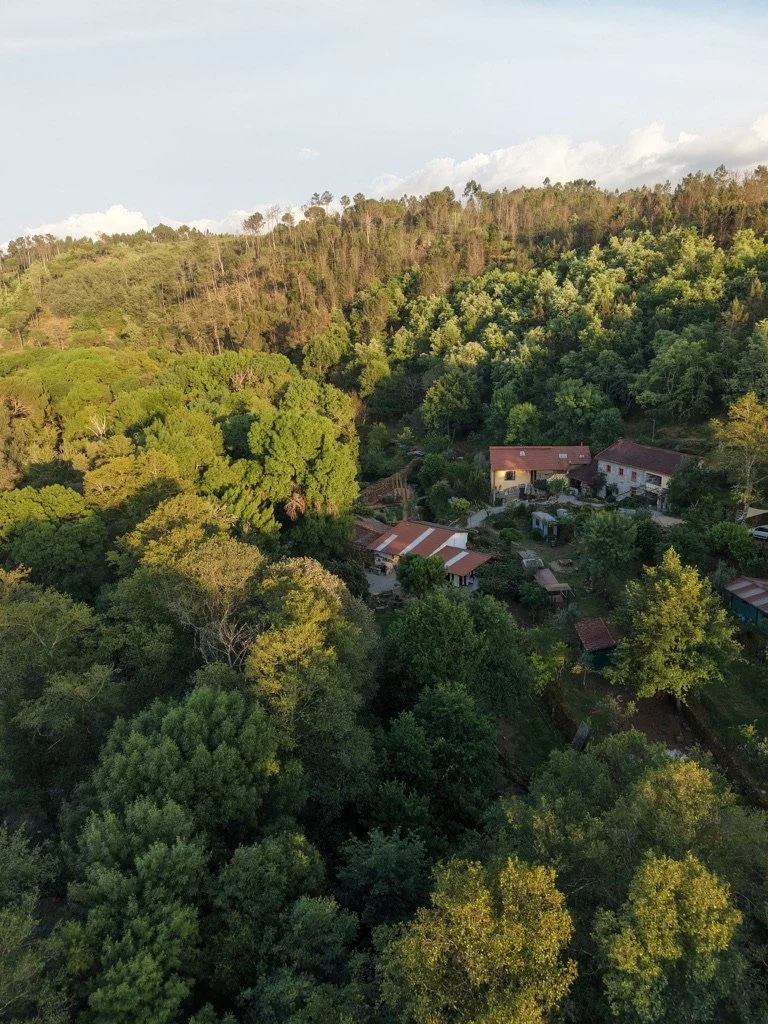
Moinhos do Dão is an old farm beside the Dão River, shaped by water, granite, woodland and generations of use.
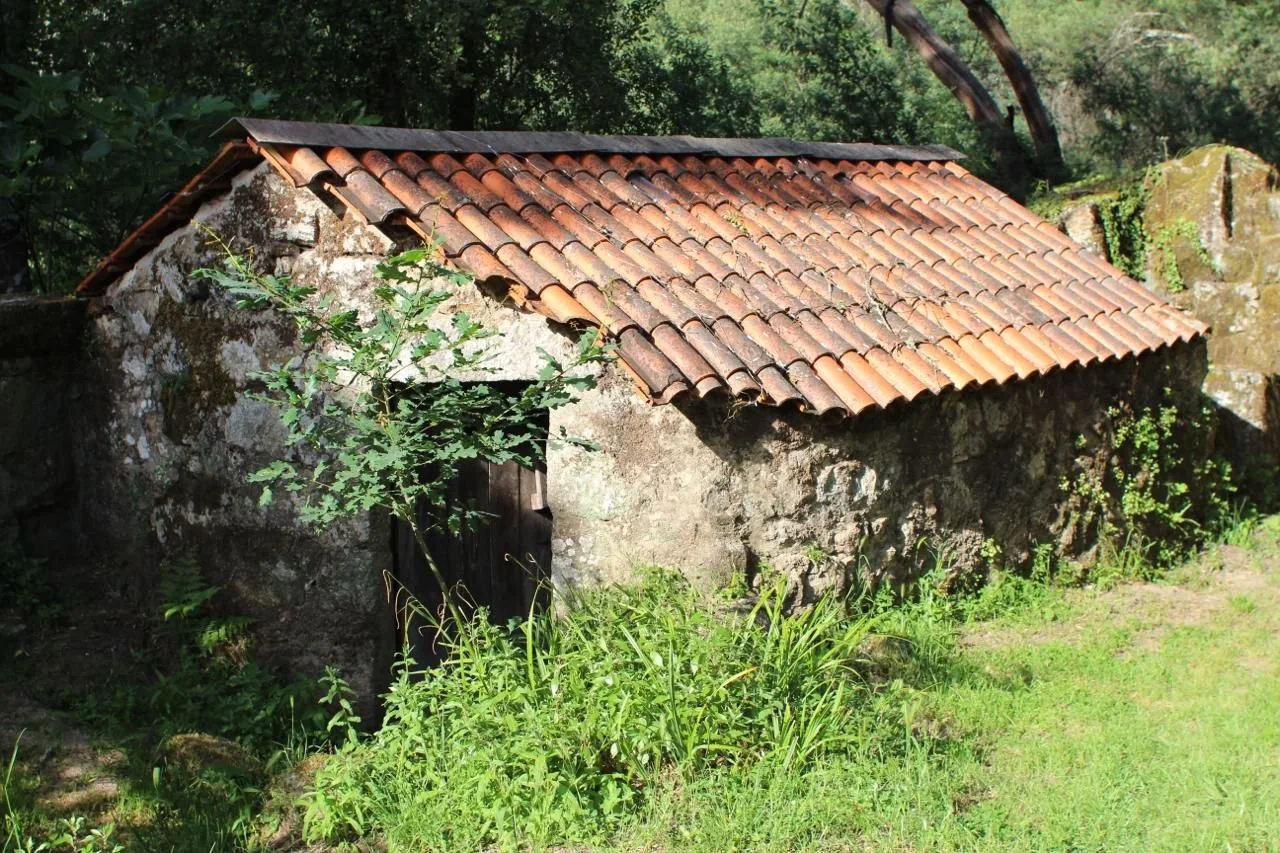
The name means “watermills” and comes from the seven mills that once stood along the river here. The mills are gone, but their traces are still part of the place — old millstones, stone buildings, water channels and the small dam can still be found around the farm.
The river that once powered the mills still plays an important part in life here. Today, some of the old waterways help produce our electricity, while the river continues to shape the land around it.
The River Dão
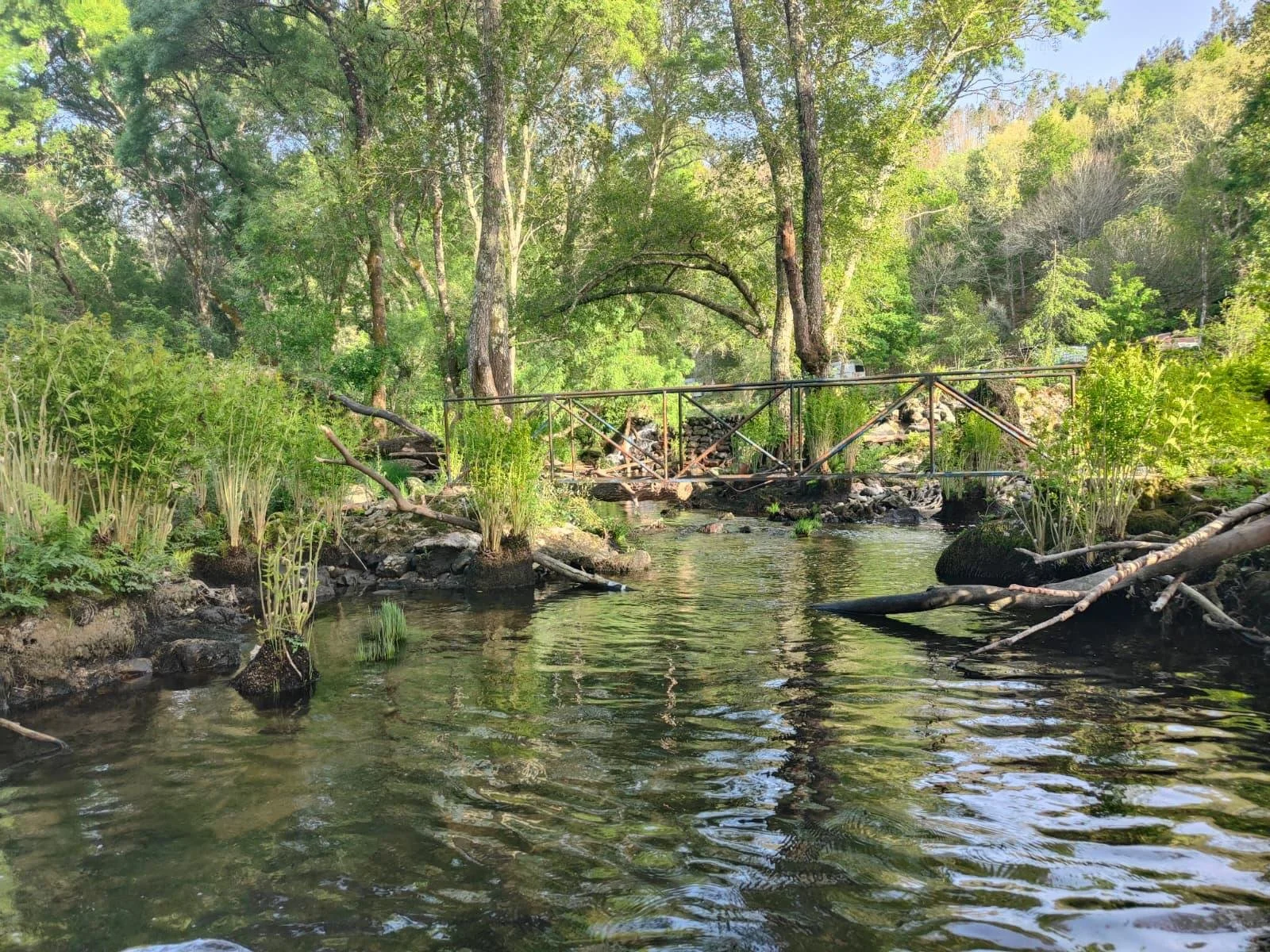
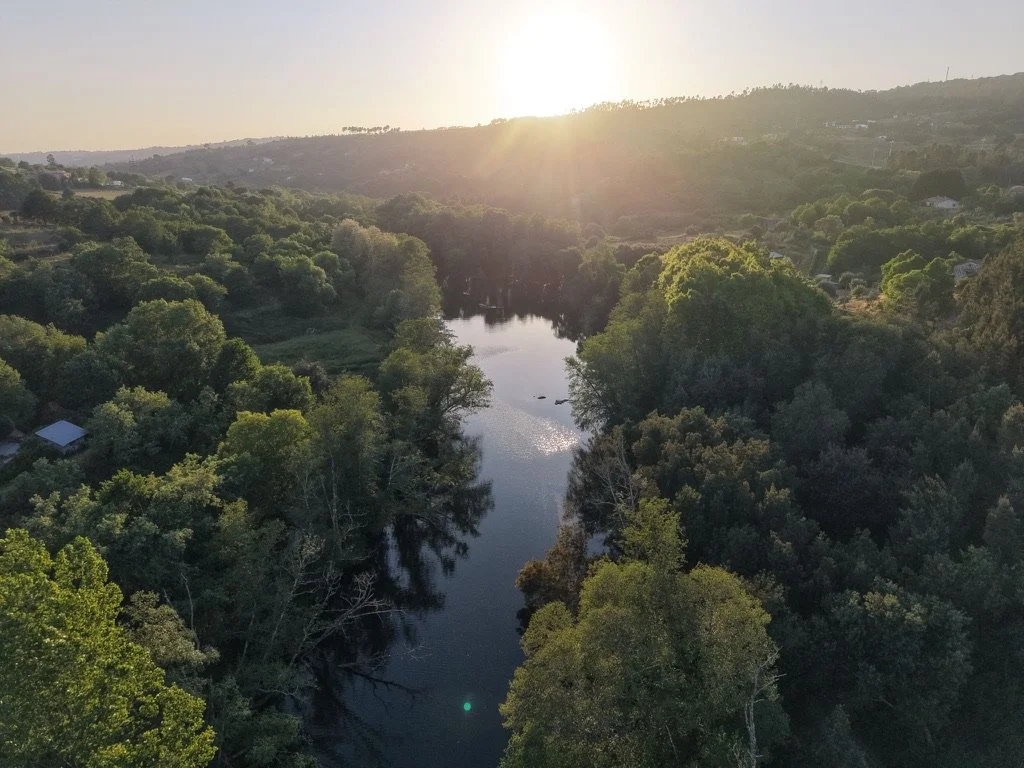
The River Dão is at the heart of Moinhos do Dão.
It runs through the valley below granite rocks and old oak trees, creating a cool, green place even in the hottest months. The shaded riverbanks have their own little microclimate, and in summer the water becomes one of the best places on the farm to escape the heat.
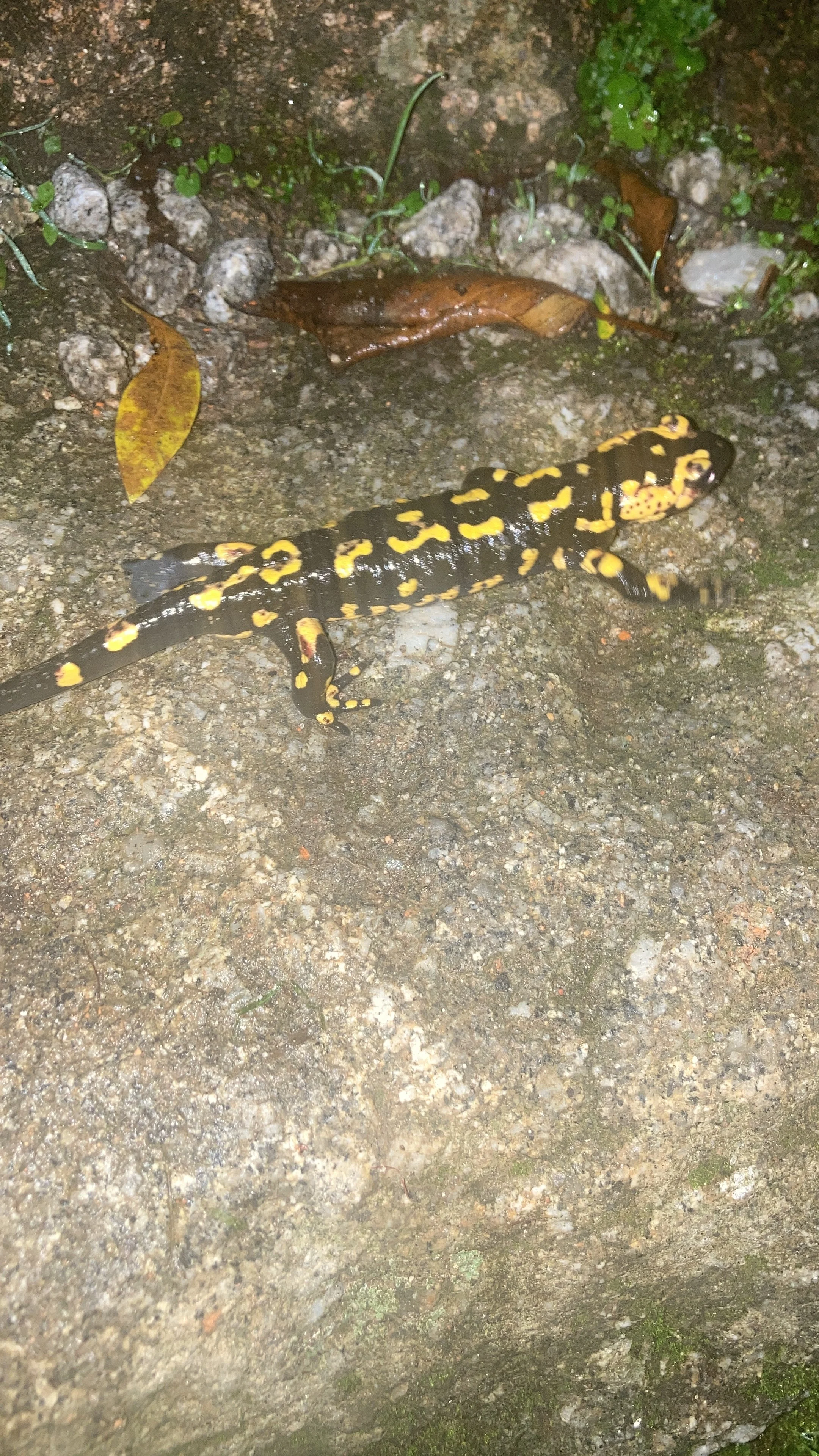
The river is also home to a surprising amount of wildlife. Kingfishers move quickly between the trees, frogs hide among the rocks and vegetation, and otters sometimes pass through. If you slow down and pay attention, there is usually something moving, flying or swimming.
We spend time here throughout the year — swimming, exploring the quieter stretches by boat, or simply sitting by the water.
The river has always been part of life at Moinhos do Dão. It powered the old mills, still helps produce our electricity today, and continues to shape the land around them.
Living Off-Grid
Life at Moinhos do Dão depends on what the land and the weather provide.
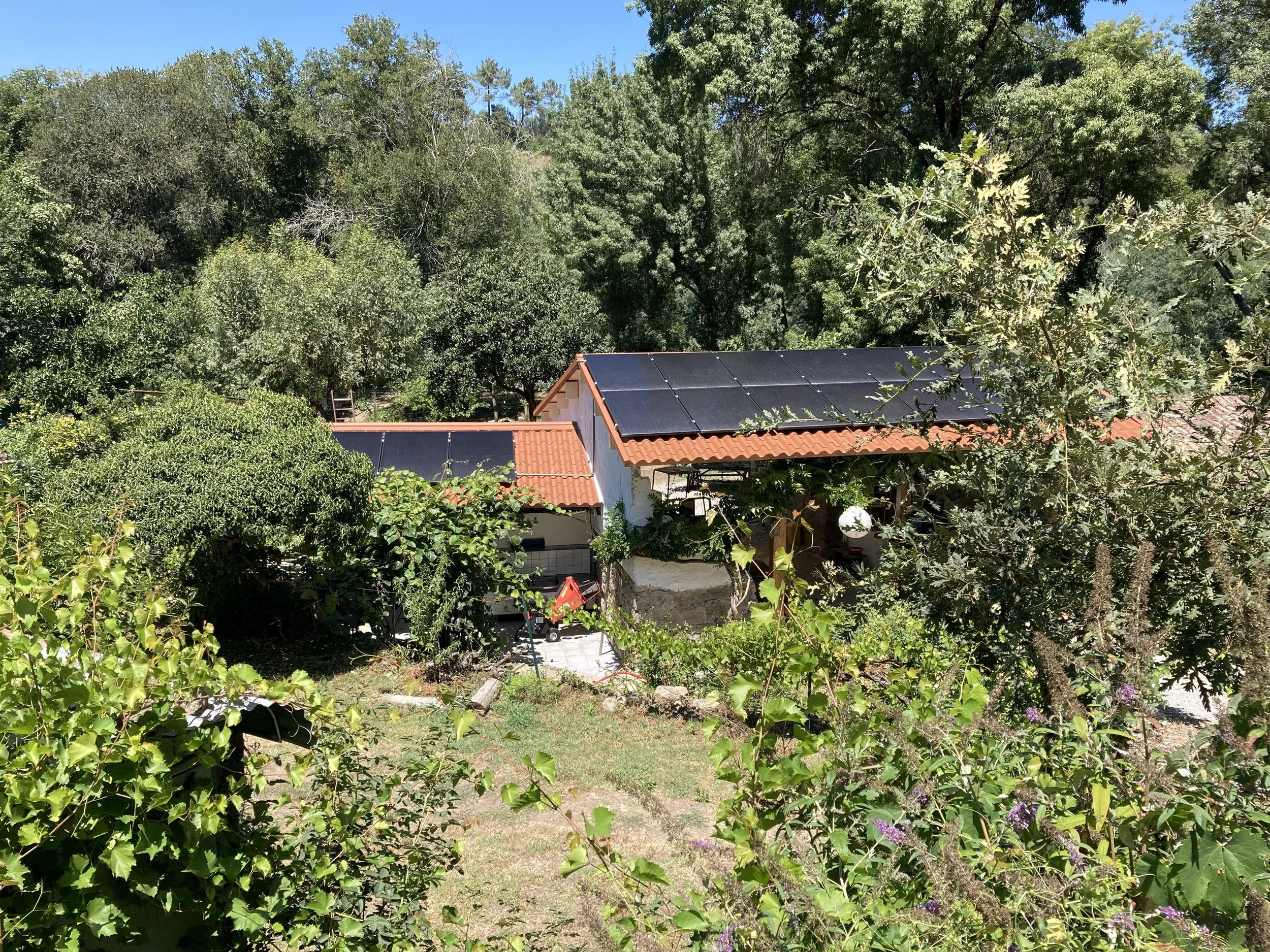
Our electricity comes from the sun and the river, and our water comes from our own well. Being off-grid means paying attention to things that are easy to ignore in a conventional home — how much water we use, when we run machines, how much energy is available and what can be repaired or reused.
There are days when the sun provides more power than we need, and days when there is very little. After dry weather, the river is lower. We simply work around what is available.
It is not about doing everything perfectly or being completely self-sufficient. It is about living a little more closely with the resources around us and knowing where some of the basics of everyday life come from.
A Place in Constant Restoration
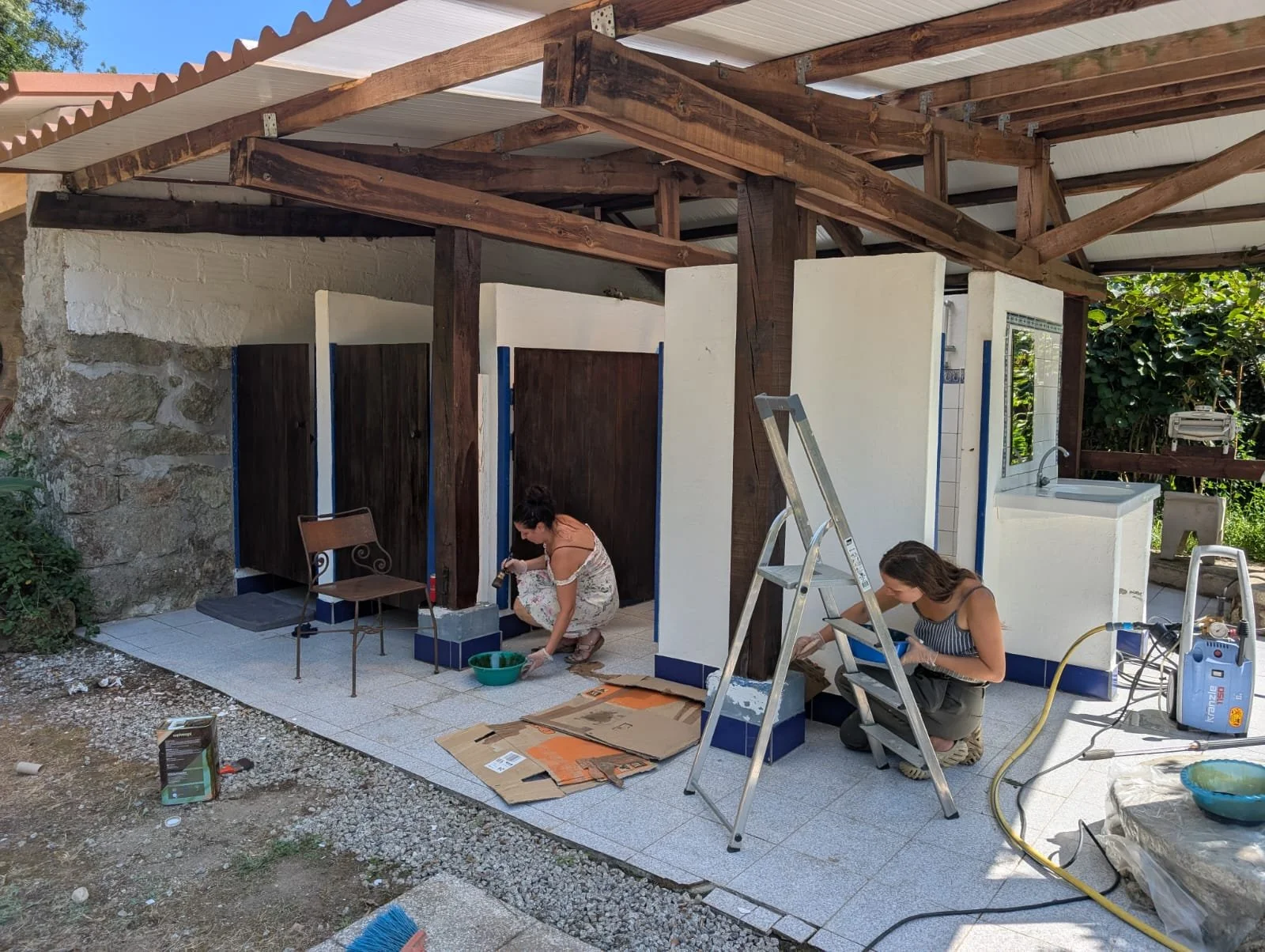
Moinhos do Dão is an old place coming back to life, slowly and naturally.
There is always something to care for — an old stone wall, a water channel, a garden, a roof or a forgotten corner of the land. Some things we restore, some we adapt, and some we simply leave as they are.
We work with what we have, learn as we go, and let the place evolve with the seasons.
It is not finished, and we don't want it to be. Moinhos do Dão is a living project, and we are still figuring out what it can become.
Through the Seasons
Moinhos do Dão changes with the seasons.
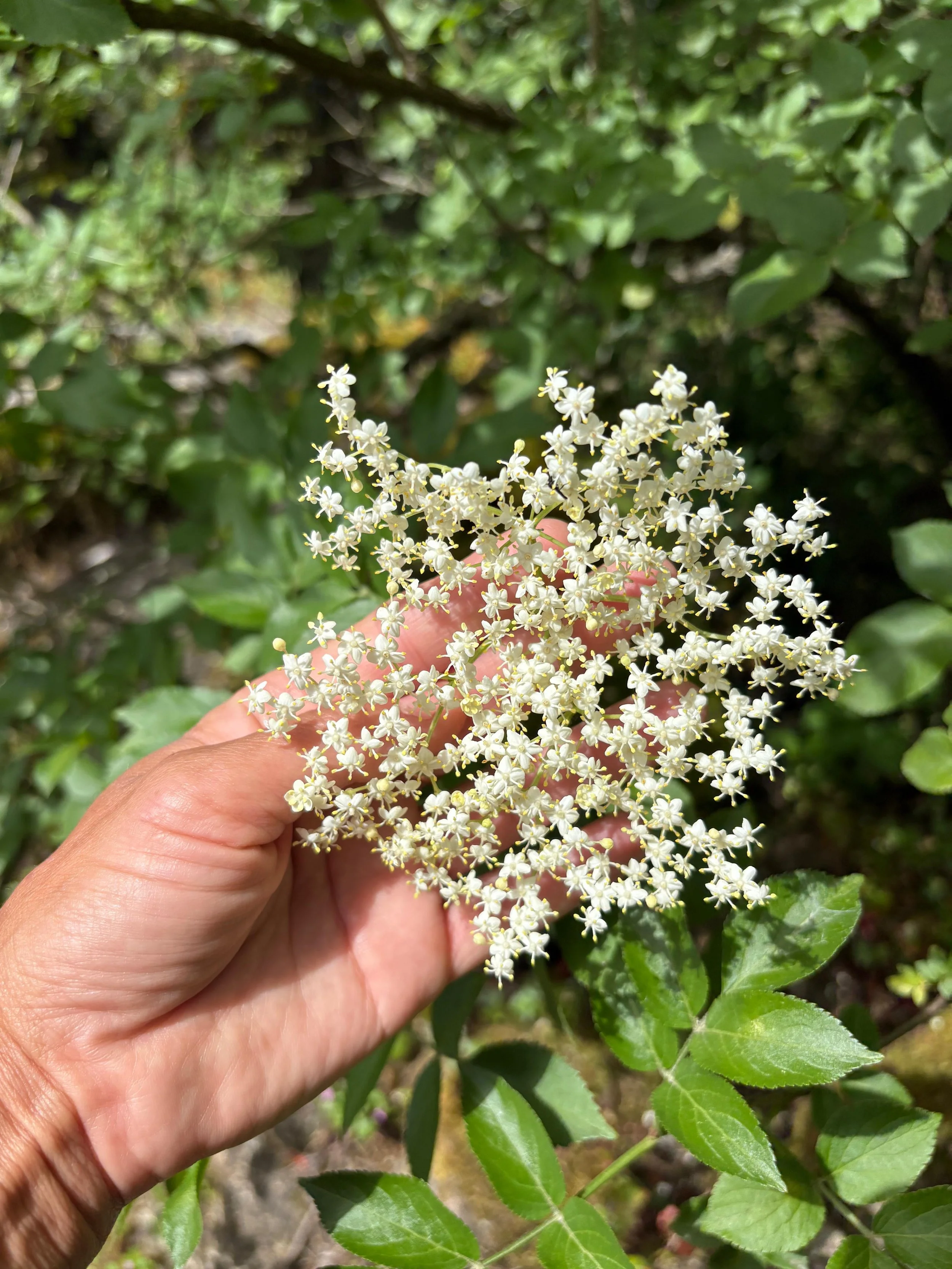
Spring brings new growth, wild flowers and the first work in the gardens. Summer is full of vegetables, fruit, herbs and flowers — and plenty of time spent in and around the river.
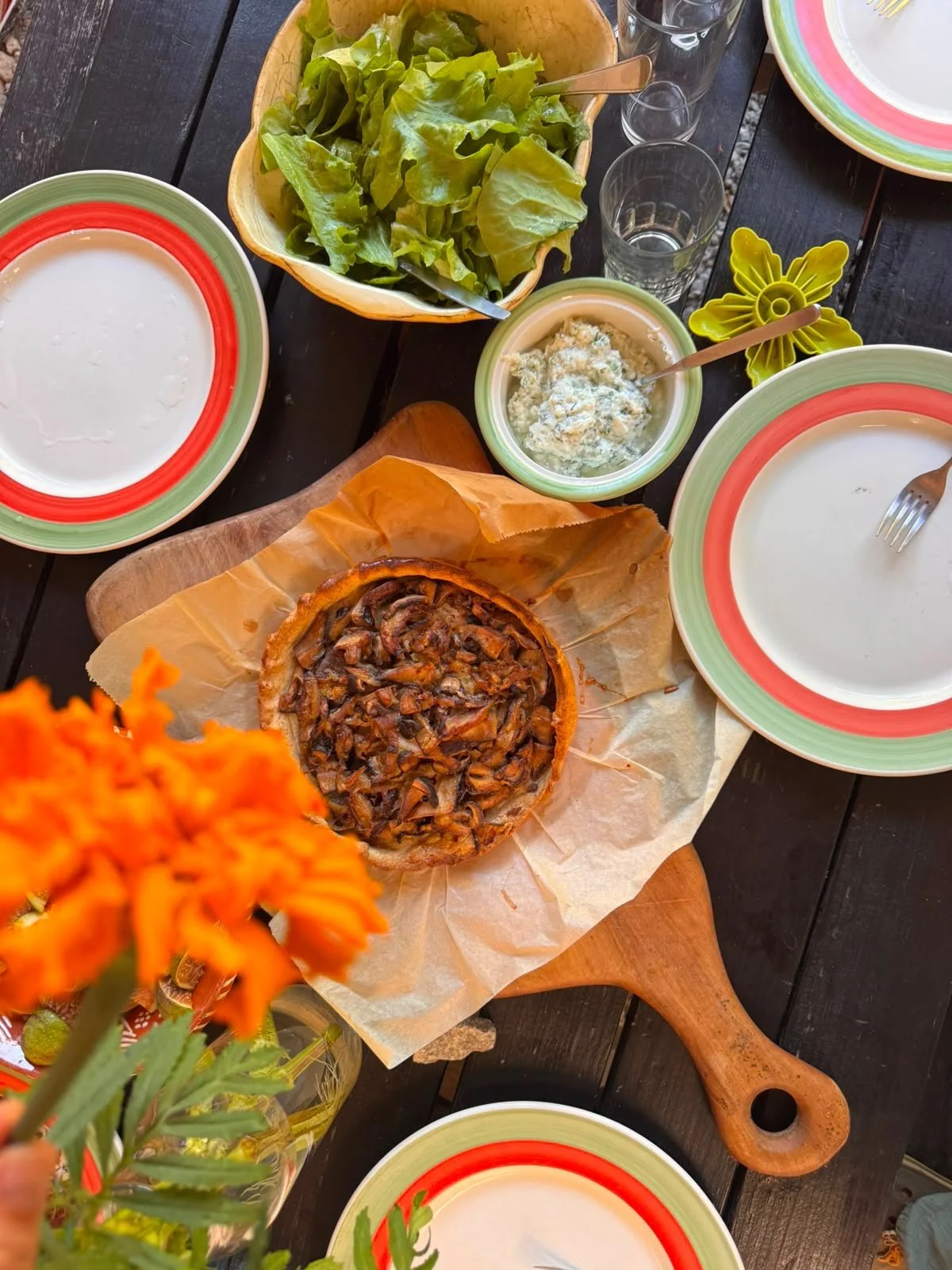
Autumn is harvest and preserving time. There are vegetables and fruit to collect, seeds to save and jars to fill.
Winter is quieter. The gardens rest, the river is often fuller, and we spend more time pruning, repairing, clearing and working on the old buildings.
The work changes, the landscape changes, and so does the rhythm of life here.
A Little Farm. A Lot of Life.
There is always something to grow, repair, preserve, discover or simply leave alone.
This is Moinhos do Dão.